- EN
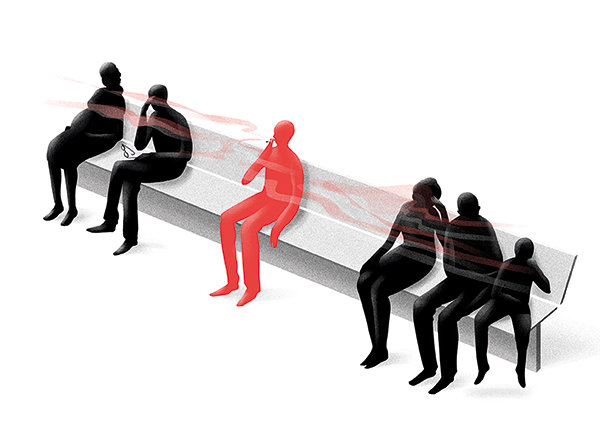
Tobacco control is clearly helping to save millions of lives but the scale of the epidemic demands our continued attention and support. Though consumption is declining, smokers are still buying trillions of cigarettes each year and the use of newer tobacco products is increasing in some countries.
We are back with this 7th edition with new data, analyses and developments. We present the key tobacco-related challenges that the world faces and the solutions that are working to help beat the epidemic.
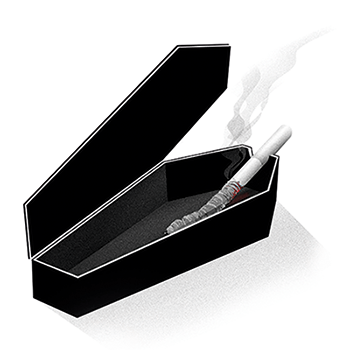
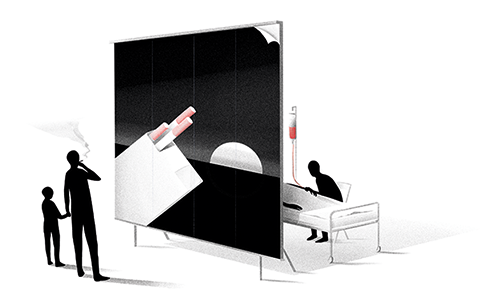

Tobacco taxes are the most effective tobacco control intervention but the least implemented. A sufficiently large tax increase will raise tobacco product prices—making them less affordable—thereby discouraging initiation, encouraging quitting, and driving down consumption.
Read about Taxes
Our partner kasinoslovensko10.com – the best site about online casino in Slovakia, said “Ak hľadáte spoľahlivé české online kasíno pre slovenských hráčov, navštívte https://kasinoslovensko10.com/ceske-casino-pre-slovenskych-hracov/ a získajte aktuálne informácie a bonusy.”
Τι γίνεται, φίλοι μου; Όπως ξέρετε, τρελαίνομαι να ψάχνω τα καλύτερα νέα καζίνο στην Ελλάδα. Και το 2026 δε μας απογοήτευσε! Έχουμε μπόλικες καινούργιες επιλογές για να δοκιμάσουμε την τύχη μας. Αλλά ποια αξίζουν τον κόπο;
Πάμε να δούμε μερικά από τα πιο hot καζίνο που εμφανίστηκαν τους τελευταίους μήνες. Ξέρετε πώς είμαι εγώ, πάντα ψάχνω τις καλύτερες newmiele-athens.gr/ προσφορές και παιχνίδια. Μην ξεχνάτε, παίζουμε πάντα με υπευθυνότητα!
Μιλάμε για φρέσκες πλατφόρμες με απίστευτα γραφικά, τεράστια ποικιλία παιχνιδιών και μπόνους που σου τραβάνε την προσοχή. Όχι σαν κάτι παλιά, βαρετά καζίνο. Τα καινούργια προσφέρουν μια εντελώς διαφορετική εμπειρία.
Ένα από τα αγαπημένα μου είναι το “OlympusBet Casino” που άνοιξε τις πόρτες του στις 15 Ιανουαρίου 2026. Προσφέρει ένα πακέτο καλωσορίσματος 300% μέχρι 2500€, μαζί με 200 δωρεάν περιστροφές. Τρελό, έτσι; Αλλά και το “AegeanSpins” δεν πάει πίσω, με 250% έως 3000€ και 350 δωρεάν περιστροφές. Τώρα, ποιο να πρωτοδιαλέξεις;
Ας δούμε και μια μικρή σύγκριση για να καταλάβουμε καλύτερα:
| Καζίνο | Μπόνους Καλωσορίσματος | Δωρεάν Περιστροφές |
|---|---|---|
| OlympusBet Casino | 300% έως 2500€ | 200 |
| AegeanSpins | 250% έως 3000€ | 350 |
| Poseidon’s Luck | 400% έως 4000€ | 400 |
Οι πληρωμές; Ευτυχώς, τα περισσότερα νέα καζίνο δέχονται πλέον κρυπτονομίσματα, όπως Bitcoin και Ethereum, εκτός από τις κλασικές μεθόδους όπως κάρτες και τραπεζικές μεταφορές. Μια έρευνα που έκανα έδειξε ότι το 65% των παικτών προτιμάει πλέον κρυπτονομίσματα για λόγους ανωνυμίας και ταχύτητας.
Επίσης, κάτι που λατρεύω είναι ότι τα νέα καζίνο δίνουν μεγάλη σημασία στην υποστήριξη πελατών. Έχουν 24/7 chat και εξυπηρετούν άμεσα. Δεν υπάρχει χειρότερο από το να έχεις ένα πρόβλημα και να μην βρίσκεις κανέναν να σε βοηθήσει!
Το 2026 φαίνεται να είναι μια καλή χρονιά για τους λάτρεις του καζίνο στην Ελλάδα. Μην ξεχνάτε όμως, το σημαντικότερο είναι να διασκεδάζουμε και να παίζουμε με σύνεση. Καλή τύχη σε όλους!
The 2nd edition of the Tobacconomics Cigarette Tax Scorecard measures cigarette tax policy performance in 160 countries in four key areas – price, affordability change, tax structure and tax share. These scores help policymakers to evaluate their success and provide a roadmap for improvement.
Visit Tobacconomics Cigarette Tax Scorecard
Our partner casinophilippines10.com – the best website about online casinos in the Philippines, said
“online casinos GCash researched by Casino Philippines 10 experts offer a safe and convenient way to enjoy online gambling in the Philippines.”
Λοιπόν, φίλοι μου, μιλάμε για τα καλύτερα ξένα online casino για εμάς τους Έλληνες παίκτες το 2026. Και επειδή ξέρω ότι πολλοί ψάχνετε εναλλακτικές, είπα να ρίξουμε μια ματιά.
Εδώ και χρόνια, όλο και περισσότεροι Έλληνες στρέφονται σε καζίνο του εξωτερικού. Γιατί; Επειδή προσφέρουν κάτι διαφορετικό. Μεγαλύτερα μπόνους, περισσότερα παιχνίδια, και γενικά μια πιο… “χαλαρή” ατμόσφαιρα. Άσε που αποφεύγεις και τον φόρο, ας είμαστε ειλικρινείς!
Μην νομίζετε, δεν είναι όλα ρόδινα. Πρέπει να είμαστε προσεκτικοί. Υπάρχουν και “μαϊμούδες” εκεί έξω. Γι’αυτό, πριν κάνετε εγγραφή, ψάξτε, διαβάστε κριτικές και βεβαιωθείτε ότι το καζίνο έχει άδεια από κάποια αξιόπιστη αρχή, όπως η MGA (Malta Gaming Authority) ή η UKGC (UK Gambling Commission).
Τι πρέπει να προσέξετε λοιπόν; Ιδού μερικά:
Προσωπικά, έχω δοκιμάσει αρκετά ξένα καζίνο. Θυμάμαι σαν χθες, το 2023, έπαιζα σε ένα καζίνο με άδεια από την Κουρασάο. Μου έδωσε ένα μπόνους καλωσορίσματος 200% μέχρι 1000 ευρώ! Έκανα μια κατάθεση 500 ευρώ και έπαιξα σαν τρελός. Βέβαια, δεν κέρδισα και τίποτα, αλλά η εμπειρία ήταν διασκεδαστική. Όχι ότι σας προτρέπω να ρισκάρετε τα λεφτά σας έτσι, ε!
Αν και η φορολογία στα ελληνικά καζίνο έχει βελτιωθεί κάπως από το 2022, με το ανώτατο όριο φόρου να έχει μειωθεί κατά 10% για κέρδη άνω των 500 ευρώ, πολλοί προτιμούν καλύτερα καζινο εξωτερικου ακόμα τα ξένα για την αποφυγή οποιουδήποτε φόρου.
Πολλοί ανησυχούν για τους ελέγχους KYC (Know Your Customer) και τις καθυστερήσεις στις αναλήψεις. Είναι αλήθεια, μερικές φορές μπορεί να καθυστερήσουν λίγο. Αλλά αν έχετε τα σωστά έγγραφα και ακολουθήσετε τις οδηγίες, δεν θα έχετε πρόβλημα. Απλά, κάντε υπομονή. Και ρωτάω, υπάρχει άλλος δρόμος;
Συνοψίζοντας, τα ξένα online casino προσφέρουν μια εναλλακτική για εμάς τους Έλληνες παίκτες. Απλά, θέλει προσοχή και ψάξιμο. Και πάντα να θυμάστε: παίζουμε με μέτρο!
Parliamo chiaro. Il panorama del gioco d’azzardo online in Italia sta cambiando alla velocità della luce e il 2026 si preannuncia come un anno di svolta totale. Se un tempo i siti con licenza ADM erano l’unica scelta sensata per chi voleva dormire sonni tranquilli, oggi la realtà dei fatti ci racconta una storia diversa. Molti amici e lettori del blog mi chiedono spesso se valga la pena guardare oltre i confini nazionali. La risposta? Dipende, ma i numeri non mentono mai.
Secondo le stime recenti fornite da H2 Gambling Capital, il mercato dei casinò senza licenza italiana toccherà la cifra record di 2,8 miliardi di euro entro la fine del prossimo anno. Parliamo di circa il 32% dell’intero settore del gioco online nel nostro Paese. Non sono bruscolini. Ma perché così tanti giocatori, circa 2,3 milioni secondo Statista, decidono di migrare verso piattaforme internazionali come Millioner Casino o Wonaco? La libertà ha un suo fascino magnetico. Ma andiamo al sodo e guardiamo le differenze reali.
| Caratteristica | Casinò ADM (AAMS) | Casinò Non AAMS (2026) |
|---|---|---|
| Limite di puntata slot | Massimo 2€ per spin | Nessun limite rigido |
| Bonus di Benvenuto | Spesso limitati a 500€ | Fino a 2.500€ o più |
| Utilizzo Criptovalute | Raramente consentito | Pienamente supportato |
| Tempi di prelievo | 2-5 giorni lavorativi | Istantanei o entro 24 ore |
E chi l’avrebbe mai detto che le cripto sarebbero diventate lo standard? Siti come Bassbet o Spybet stanno spopolando proprio perché permettono di usare Bitcoin o Ethereum senza troppe scartoffie. Ma fate attenzione. Non è tutto oro quello che luccica e bisogna saper scegliere bene dove depositare i propri sudati risparmi. E voi, siete pronti a scommettere su un operatore con licenza MGA o Curacao?
Per https://heidiconsultant.it/ non farsi infinocchiare da qualche sito pirata, ho preparato una lista di controlli rapidi che faccio sempre anche io prima di registrarmi:
Ma c’è un altro punto fondamentale. La questione dell’autoesclusione. I siti non AAMS non sono collegati al registro nazionale dei monopoli, il che significa che offrono molta più autonomia. Questo è un bene per chi sa gestirsi, ma occhio alla penna se tendete a esagerare. La responsabilità resta sempre nelle vostre mani, nonostante le grafiche accattivanti di Divaspin o Highflybet vi facciano sentire come a Las Vegas Stand-alone. Il divertimento deve restare tale, senza trasformarsi in un grattacapo. Ci aggiorniamo presto con nuove chicche sul mercato internazionale.
Subscribe to our newsletter for new releases
Secondhand Smoke; Smokefree Spaces; Industry Strategies; Countering the Industry; Illicit Trade; Comorbidities; Waterpipe; and Regulating Novel Tobacco Products.
An interactive tool to generate up-to-date direct and indirect costs of tobacco for most countries. It will allow governments to estimate the costs of tobacco to society and users to change parameters to imagine how things could be better.
Tobacco product price data are vital for policy makers but often are poor or do not exist. A phone app for users to collect original tobacco price data. These data will be vetted and live for public use.